
The buzz is building in Newburgh, NY, and it’s all about a potential game-changer for the area: a proposed casino at the Newburgh Mall, as discussed in newburgh mall casino. This isn’t just another development project; it’s a high-stakes gamble that could reshape the local economic landscape and community fabric. Considering my experience in content strategy and a keen awareness of local development projects, this article will dissect the Newburgh Mall casino proposal, going beyond the headlines to provide a clear, unbiased picture of what’s at stake.
Is the Newburgh Mall casino a jackpot waiting to happen, or a risky bet with unforeseen consequences? What exactly is the plan for this casino project, and how might it impact the economy of Newburgh, NY? Beyond dollars and cents, what changes might be seen in the local culture and atmosphere? This is where we find out.
The Newburgh Mall Project: A Hudson Valley Landmark Ripe for Reinvention
The Newburgh Mall, a sprawling shopping center located in Newburgh, New York, has long been a fixture of the Hudson Valley. For decades, it served as a central hub for commerce and community activity, drawing shoppers from across the region. Over time, however, the mall has faced significant economic challenges. Increased competition from online retailers and other shopping destinations has led to declining occupancy rates and a decrease in foot traffic.
Many storefronts now sit vacant, a stark reminder of the mall’s diminished role in the local economy. This decline has had a ripple effect, impacting local businesses and residents alike. The promise of economic revitalization is not just desirable; it is essential for the continued prosperity of the Newburgh area. The proposed Newburgh Mall project represents a bold attempt to breathe new life into this once-thriving landmark, offering the potential to transform it into a vibrant destination once again.
The Players Involved
The push for a casino in Newburgh isn’t a solo act; it’s a production with a cast of key players, each with their own motivations and roles to play. Understanding who these individuals and groups are is essential to grasping the full picture.
At the forefront are the casino developers, the companies and individuals with the vision and resources to bring the project to life. These entities often have extensive experience in the gaming industry, managing and operating casinos in other locations. Their primary motivation is, of course, profit. They see Newburgh as a potentially lucrative market, a place where a casino can thrive and generate significant revenue. The specific casino management company involved usually brings a track record – for better or worse – that deserves careful scrutiny.
Backing the developers are the investors, the financial lifeline of the project. They provide the capital to acquire land, construct the casino, and cover initial operating costs. Investors can range from private equity firms to individual high-net-worth individuals. Their interest is purely financial, seeking a return on their investment. The level of local investment, or lack thereof, can indicate long-term commitment to the Newburgh community.
Local government officials and Newburgh politicians also wield considerable influence. They are responsible for approving zoning changes, issuing permits, and negotiating agreements with the developers. Their motivations can be complex, ranging from the promise of economic development and job creation to the potential for increased tax revenue. The history of these officials, and any prior dealings with developers or the gaming industry, is important context. Navigating the local political landscape is crucial for the casino’s approval, and the dynamics between different factions can significantly impact the project’s trajectory.
What We Know About the Proposed Casino
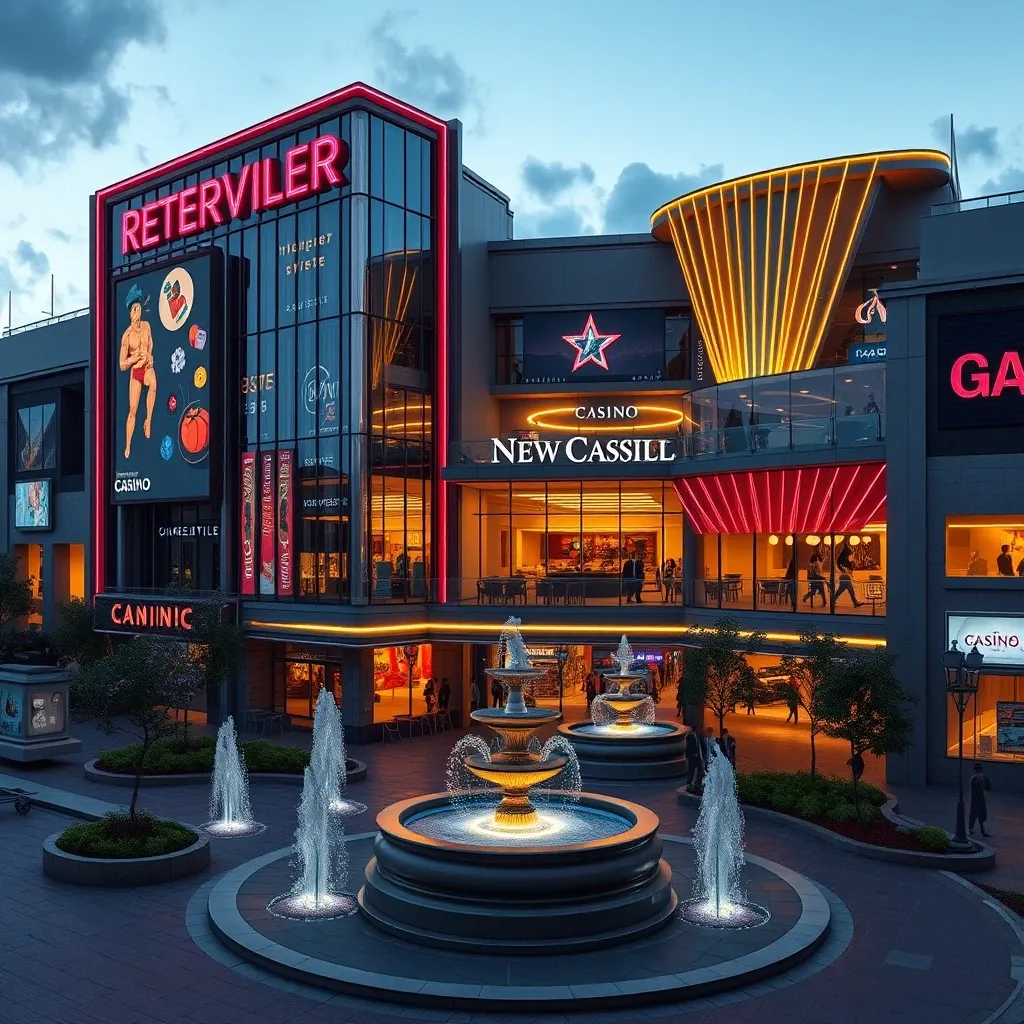
Whispers of a new casino have been circulating, and here’s what we’ve been able to gather about the developing story. The proposed entertainment complex promises a dynamic blend of gaming and leisure, aiming to become a regional destination.
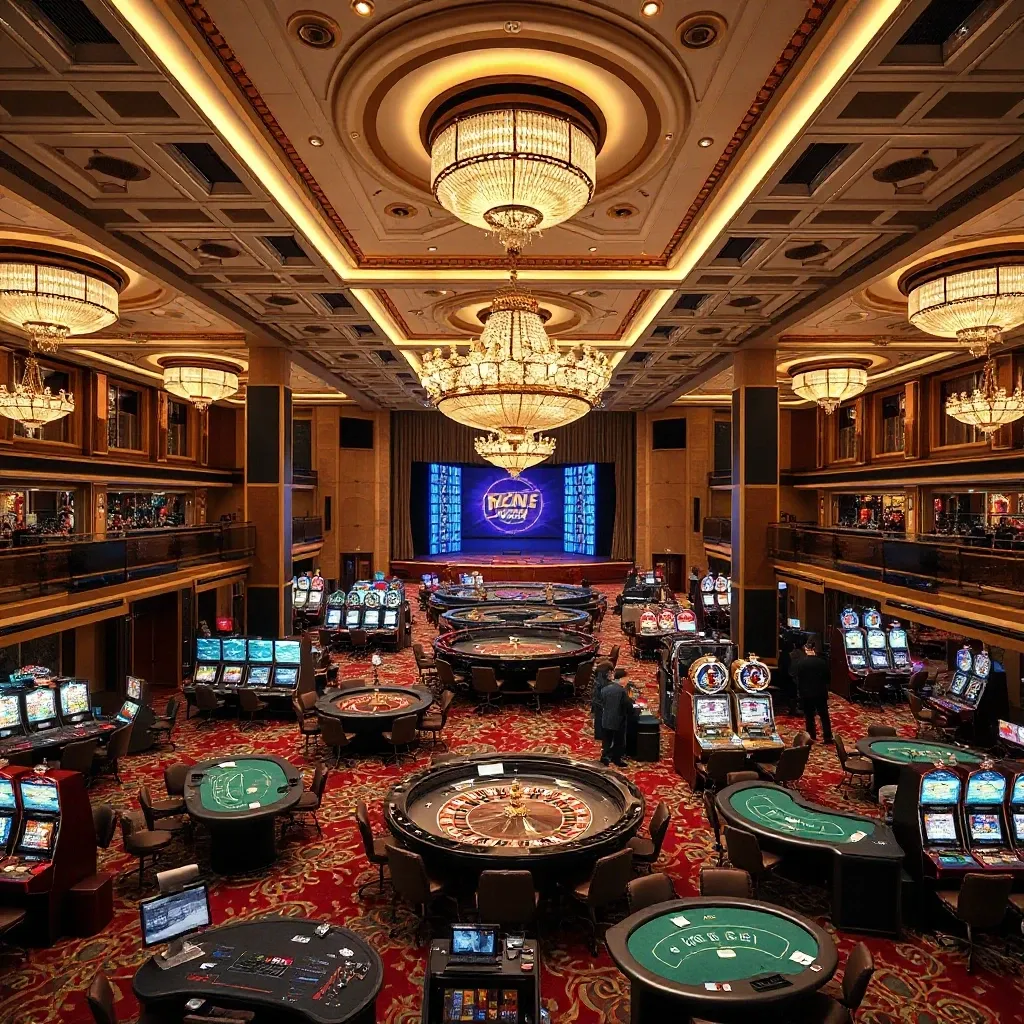
Regarding casino size, initial plans suggest a sprawling gaming floor encompassing approximately 60,000 square feet. This substantial area is projected to house a diverse array of gaming options to cater to a broad spectrum of preferences. The layout anticipates accommodating over 1,200 slot machines, ranging from classic reel slots to the latest video slot innovations. High-limit areas are part of the plan, offering a more exclusive gaming environment.
Beyond the spinning reels, the casino intends to feature a comprehensive selection of table games. Expect to find classics like blackjack, roulette, craps, and baccarat, alongside various poker variations. The exact number of tables is still subject to finalization, but current estimates place it around 60-75 tables. This ensures ample opportunity for players to test their skills and try their luck.
The proposed casino won’t be solely focused on gaming; entertainment is a key component of the vision. Architectural renderings hint at a multi-purpose entertainment venue capable of hosting live music performances, comedy shows, and other special events. Several restaurants are included in the design, ranging from casual dining options to a high-end steakhouse. A luxury hotel is also rumored to be part of the master plan. The project is currently navigating local zoning laws. The developers are working closely with city planners to ensure that the casino aligns with existing regulations and community interests. Modifications to the original site plans may be necessary as the project progresses through the approval process. Site plans available display the general layout, but specifics remains subject to change.
Potential Economic Impact on Newburgh
Job Creation
A casino development in Newburgh has the potential to generate a significant number of jobs, offering a boost to the local employment landscape. These opportunities span various sectors, starting with construction roles, which provide temporary employment for builders, electricians, plumbers, and other skilled tradespeople during the development phase. Following construction, a casino’s operation requires a substantial workforce. This includes everything from dealers and service staff to supervisors and managers. Not to mention the additional retail jobs the casino may create.
It’s crucial to evaluate the quality and accessibility of these jobs. Will they provide competitive wages and benefits? Will there be opportunities for training and career advancement for local residents? Consideration should also be given to the sourcing of construction materials and labor. Prioritizing local contractors and those committed to sustainable practices will maximize the positive impact on the Newburgh community.
Community Concerns and Opposition
The proposal for a new casino isn’t universally welcomed. In fact, significant community opposition is forming, fueled by anxieties about its potential impact on the local area and residents’ quality of life. These concerns, largely voiced by individuals who live near the proposed site and organized community groups, center around traffic congestion, the potential rise in problem gambling, and broader social consequences.
Traffic is a major sticking point. Many residents foresee a dramatic increase in vehicles, leading to gridlock on already strained local roads, longer commute times, and increased noise pollution. One resident, speaking at a recent town hall meeting, questioned, “How are our streets going to handle the influx of hundreds, maybe thousands, of extra cars every day? It’s already a nightmare during rush hour.” This sentiment is echoed by others who fear that the casino’s traffic will negatively affect their daily routines, access to emergency services and overall peace.
Beyond traffic, the specter of problem gambling looms large in the minds of many. Critics worry that the casino will exacerbate addiction rates, leading to personal bankruptcies, family breakdowns, and increased crime. Organized opposition groups highlight studies linking casino proximity to a rise in gambling-related issues and argue that the potential economic benefits are not worth the social costs. They point to examples in other communities where casinos have been associated with increased rates of addiction and related social problems.
The overall social impact is also under scrutiny. Concerns have been raised about potential increases in crime rates, strain on local resources like law enforcement and social services, and a shift in the community’s character. Opponents fear that the casino will erode the family-friendly atmosphere and replace it with a more transient and potentially disruptive environment. Whether these fears are justified remains to be seen, but they represent a significant challenge for proponents of the casino project.
The Regulatory and Approval Process
Turning a casino dream into a brick-and-mortar reality is a gauntlet of red tape, demanding meticulous navigation through local and state regulations. The process is rarely straightforward, often involving multiple layers of scrutiny and public input. The first hurdle often involves zoning laws. A proposed casino site might require a zoning change, a process that can be lengthy and contentious, involving public hearings and potential legal challenges from concerned residents or competing interests.
Next comes the environmental review. Depending on the scale and location of the project, developers might need to conduct a comprehensive environmental impact study. This assesses the potential effects of the casino on everything from traffic patterns and noise levels to water resources and wildlife habitats. A negative assessment can trigger costly mitigation measures or even halt the project entirely.
But the real gatekeeper is often the state’s gambling commission – in New York, it’s the New York Gaming Commission. This body is responsible for issuing casino licenses, ensuring that operators meet strict financial and ethical standards. The licensing process typically involves a thorough background check of the casino’s owners and investors, a detailed review of the casino’s business plan, and a demonstration of the operator’s ability to prevent money laundering and protect vulnerable gamblers. Securing casino licensing demands mountains of paperwork, detailed financial projections, and unwavering transparency.
Navigating this intricate web of casino licensing, zoning laws, environmental review, and state regulations can be a major potential roadblock. Any misstep or legal challenge can delay the project, increase costs, or even derail it completely. Therefore, developers need legal expertise and experience in the gaming industry to successfully navigate the regulatory landscape.
Timeline for Development and Opening
Pinpointing an exact opening date for a new casino is often like trying to predict the weather months in advance – possible, but with a wide margin for error. Casino projects are complex undertakings, involving layers of planning, financing, construction, and regulatory approvals. As a result, the development timeline can be fluid.
Based on similar large-scale developments, a reasonable estimate from initial planning to grand opening could range from 18 months to three years, or even longer. The initial phases typically involve securing financing, completing environmental impact studies, and obtaining necessary permits from local and state authorities. These preliminary steps alone can consume a significant amount of time, potentially leading to project delays. Construction itself can take anywhere from a year to 18 months, depending on the size and complexity of the casino and any associated amenities like hotels or entertainment venues.
Remember to factor in potential setbacks. Regulatory hurdles, environmental concerns raised by community groups, and even unforeseen construction challenges can all push back the opening date. While visiting the construction site might be tempting, it’s generally not advisable due to safety concerns and restricted access. Official announcements regarding the progress and anticipated opening will likely be the best source of information.
Alternatives and Impact Mitigation
While the proposed casino development for the Newburgh Mall presents a specific vision, exploring alternative development plans is essential. Perhaps a mixed-use approach, combining retail, entertainment, and residential spaces, could offer broader community benefits. Considering options ensures a more comprehensive approach to revitalization.
Addressing community concerns is paramount. Effective traffic management plans are crucial to minimize congestion. Equally important are robust responsible gambling programs designed to mitigate potential negative impacts. Developers can proactively engage with the community, implementing strategies demonstrated successful in other casino communities.
By actively collaborating with local organizations, developers can co-create events and programs, ensuring the casino becomes a genuine asset, fostering community growth and shared prosperity.
Conclusion
The Newburgh Mall casino project stands at a crucial juncture. Numerous hurdles remain, from securing necessary approvals to addressing community concerns. While the potential economic benefits are undeniable – job creation and increased revenue for the region – they must be carefully weighed against potential social costs. A successful project hinges on open communication, transparent processes, and a genuine commitment to mitigating any negative impacts on the local community. Ultimately, the future impact of the Newburgh Mall casino will depend on the choices made today and the degree to which the project prioritizes the needs and well-being of the people it will ultimately serve. The path forward requires thoughtful consideration to harness the opportunity for growth, ensuring it contributes to sustainable and responsible development, and doesn’t become a blight on Newburgh’s landscape.