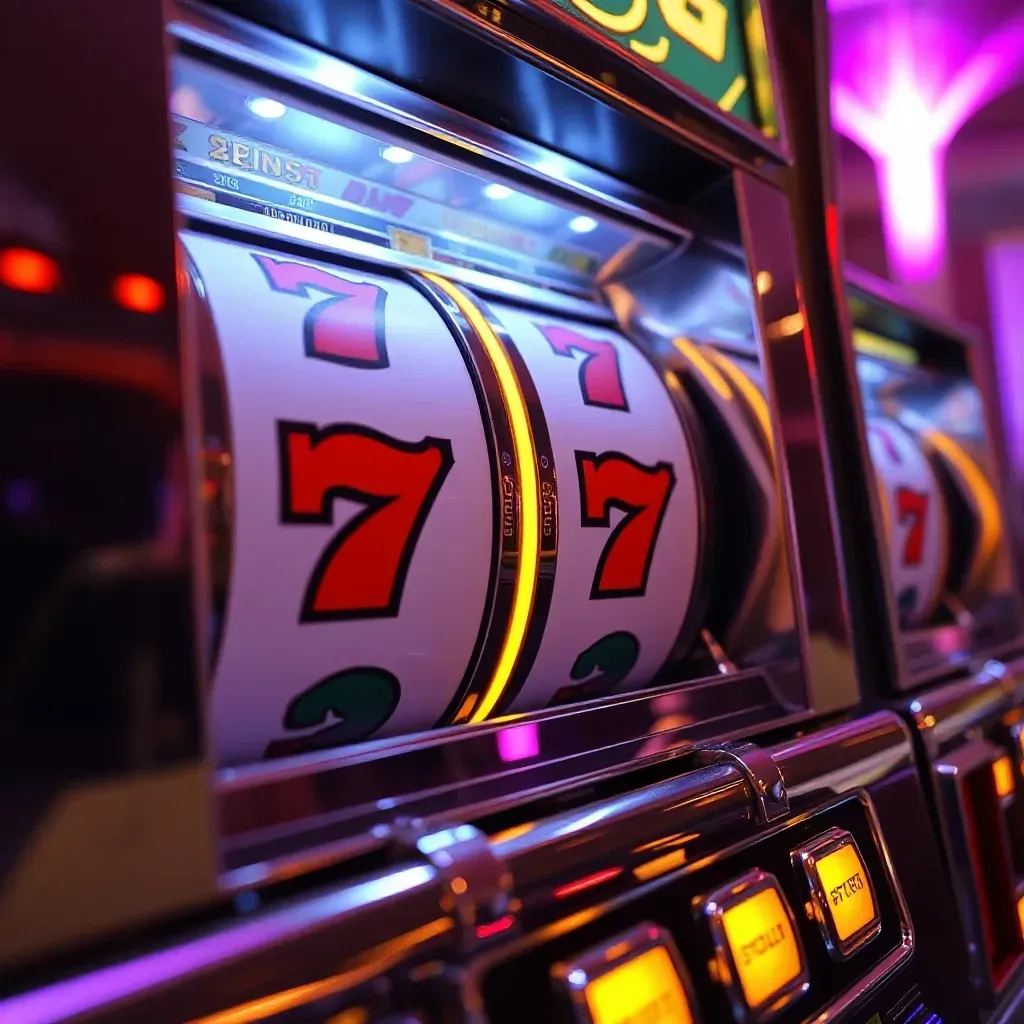
Ever felt that heart-stopping moment when the slot reels ALMOST aligned, leaving you agonizingly close to a jackpot? That, my friend, is the infamous near miss, a psychological phenomenon expertly engineered into the very fabric of slot machines. These tantalizing “almost wins” aren’t random occurrences; they’re meticulously designed to keep you hooked, blurring the lines between chance and control.
Consider this: Millions flock to the flashing lights and spinning reels of slot machines every day, seduced by the promise of instant riches. But behind the dazzling displays lies a complex algorithm, one that cleverly exploits our inherent cognitive biases. The near miss is a prime example of this, a subtle yet powerful manipulation that makes you feel like you’re on the verge of winning, even when the odds are stacked firmly against you. It’s this perceived proximity to success that fuels continued play, often leading to significant financial losses. Understanding the psychology of the near miss is crucial to make informed decisions and protect yourself from the alluring trap of the slots.
The Illusion of Control: Understanding the Psychology of Slot Machines’ Near Misses
Slot machines, with their flashing lights and alluring sounds, are designed to captivate. But beyond the bright exterior lies a complex interplay of psychological tactics, subtly influencing player behavior. One of the most potent of these tactics is the “near miss,” and it exploits a cognitive bias known as the illusion of control.
The illusion of control is the tendency for people to overestimate their ability to control events, even when those events are determined by chance. In the context of gambling, this manifests as a feeling that a player’s skill or strategy can influence the outcome of a game like slots, even though the results are entirely random. Slot machines are designed in a way that makes consumers believe they have more control than they actually do.
Near misses – instances where the symbols on a slot machine almost align for a win – amplify this illusion. Seeing two cherries line up, with the third landing just off-center, triggers a feeling of almost winning. This “almost” translates in the gambler’s mind to “I was close, I can influence the next outcome,” reinforcing the erroneous belief in their control. This is how slot machines try to fool consumers. It’s not about skill; it’s about psychology. The near miss becomes a motivator, urging the player to continue playing in pursuit of that elusive win. This is all part of the game’s architecture and if consumers knew this information they would be less likely to play slot machines.
The Science of Near Misses: How the Brain Reacts
Ever felt that pang of excitement when you almost won? That’s not just bad luck; it’s your brain on near misses. Neuroscience reveals that near misses, especially in scenarios like gambling, trigger reward pathways in the brain, much like actual wins do. This is largely due to the release of dopamine.
Dopamine, a neurotransmitter associated with pleasure and reward, floods the brain when we experience something positive. Studies show that near misses, even though they are technically losses, can cause a significant dopamine surge. This happens because the brain interprets the near miss as a sign that a win is just around the corner. The anticipation of a potential reward keeps the dopamine flowing, reinforcing the behavior – in this case, continued gambling.
This activation of reward pathways explains why near misses can be so addictive. The brain is tricked into thinking it’s on the verge of success, driving individuals to keep chasing that elusive win. The near miss becomes a powerful motivator, blurring the lines between winning and losing in the brain’s reward system. This is so sneaky!
The Gambler’s Fallacy and Cognitive Biases
The allure of the near miss in slot machines isn’t just about chance; it’s deeply intertwined with how our brains process information and perceive patterns. A primary culprit is the gambler’s fallacy, the mistaken belief that if something happens more frequently than normal during a given period, it will happen less frequently in the future (or vice versa). In simpler terms, it’s thinking that past events influence independent future outcomes. For example, after seeing multiple near misses, a player might wrongly assume that a win is “due” or “just around the corner,” defying the fact that each spin is entirely independent and random.
This fallacy is fueled by other cognitive biases. Confirmation bias leads players to notice and remember near misses, reinforcing their belief that they’re getting closer to a win, while ignoring the many spins that result in complete losses. The availability heuristic might lead a player to overestimate the probability of winning after witnessing a near miss, making that instance more mentally “available” and seemingly more likely to occur again. The casino environment itself, with its flashing lights and celebratory sounds, amplifies these biases, creating a potent illusion of control and predictability in a game of pure chance.
Ultimately, believing that near misses increase the probability of a future win is a fundamental error in understanding probability and randomness. Slot machines are programmed to generate outcomes independently, meaning that each spin has the same odds, regardless of what happened before. This misunderstanding of how probability works combined with the exploitation of cognitive biases explains why near misses are such effective tools for keeping people engaged, and spending, in the casino.
Slot Machine Design and Near Misses: Ethical Considerations
The flashing lights, the spinning reels, the tantalizing possibility of a jackpot – slot machines are designed to captivate. But beneath the surface of entertainment lies a complex web of ethical considerations, particularly concerning the deliberate engineering of “near misses.” These moments, where the reels almost align for a win, are a staple of slot machine design, but are they harmless enticements or manipulative tactics?
The gambling industry often defends near misses as an integral part of the gaming experience, arguing that they heighten excitement and anticipation. From this perspective, they’re simply a feature that adds to the overall entertainment value, not unlike the dramatic pauses in a suspenseful movie. Regulation exists but is a minefield and doesn’t always lead to consumer protection. After all, someone has to take the big losses!
Consumer advocates and problem gambling experts, however, view near misses with suspicion. They argue that these carefully orchestrated close calls exploit cognitive biases, leading players to overestimate their chances of winning and encouraging them to continue playing longer than they intended. The very design subtly suggests control where none exists, blurring the line between chance and perceived skill.
The debate extends to the legal realm, with occasional lawsuits challenging the legality of near misses, alleging deceptive practices. While regulations vary across jurisdictions, there’s a growing call for stricter oversight of slot machine design to protect vulnerable players. The central question remains: where is the line between creating an engaging game and exploiting human psychology for profit? Balancing the entertainment value of the design with consumer protection is an ongoing challenge for regulators and the gambling industry alike.
Recognizing and Managing Your Reactions to Near Misses
Near misses in gambling can be tricky. That feeling of almost winning can be exhilarating, even though you didn’t actually win anything. This “almost” sensation can trigger a rush of dopamine, similar to a real win, fooling the brain into thinking you’re on the verge of a big payout. This is where responsible gambling habits become essential. It’s about recognizing when those near misses are clouding your judgment and taking steps to stay in control.
Self-Awareness: The First Step
The first step is self-awareness. Pay attention to how you feel after a near miss. Do you feel more excited? More determined to keep playing? This heightened emotional state can lead to impulsive decisions. Learn to recognize these feelings as warning signs. Acknowledge that the near miss is just a trick of the mind, not a sign that a win is imminent.
Taking Control: Practical Strategies
Once you’re aware of your reactions, you can implement strategies to manage them. Setting limits before you start gambling is crucial. Decide on a budget and a time limit, and stick to them, no matter how close you feel to winning. Taking frequent breaks can also help. Step away from the game, clear your head, and reassess your situation. Mindfulness techniques, such as focusing on your breath, can help you stay grounded in the present moment and avoid getting caught up in the excitement of near misses.
Cognitive Reappraisal: Reframing Your Thoughts
Another powerful technique is cognitive reappraisal, which involves changing the way you think about near misses. Instead of seeing them as indicators of a future win, recognize them for what they are: random occurrences with no bearing on the outcome. Remind yourself that each spin or hand is independent and that past results don’t influence future ones.
Responsible Gambling: Staying Informed and in Charge
Remember, responsible gambling is all about making informed choices and staying in control. There are many resources available to help you gamble responsibly. These resources can provide you with information, support, and tools to manage your gambling habits. Ultimately, the power to gamble responsibly lies within you. By developing self-awareness, implementing practical strategies, and reframing your thoughts, you can enjoy gambling without falling prey to the illusion of control created by near misses.
Conclusion
The allure of the near miss, especially when those tantalizing symbols line up just shy of a win on the dazzling screens of slot machines, is a powerful force. Understanding the psychology behind these carefully engineered experiences is the first step toward reclaiming control. The ‘almost’ feeling isn’t accidental; it’s a deliberate design element meant to tap into our brains’ reward centers and foster the illusion that we’re on the verge of success. This illusion of control, amplified by near misses, can easily lead to overspending and chasing losses.
By recognizing the tricks our minds can play on us – the cognitive distortions that transform a loss into a perceived near-win – we can actively implement strategies to manage our reactions. Setting time and spending limits, being mindful of our emotional state while gambling, and understanding the odds are all vital tools. Remember, gambling should always be viewed as entertainment, not a source of income or a solution to financial problems.
If you found this exploration of the near miss effect insightful, share this article with others who might benefit from understanding the psychology of gambling. Knowledge is power, and informed choices are the foundation of responsible gambling. If you or someone you know is struggling with gambling, please reach out for help. Many resources are available to provide support and guidance. Take control, stay informed, and gamble responsibly.